Which scaffold do you need? The main types explained
Access, birdcage, perimeter, shoring, cantilever, chimney: what each kind of scaffold is for, and how to tell which one your job needs.
3 min read
When people ring us for a quote, the first thing many of them say is "I just need a scaffold". That is fine: working out which one is our job. But it helps to know the options, because the type of scaffold changes what it costs, how long it takes to put up and how much of your property it takes over.
Here are the main types we put up, and what each one is for.
Access scaffolding
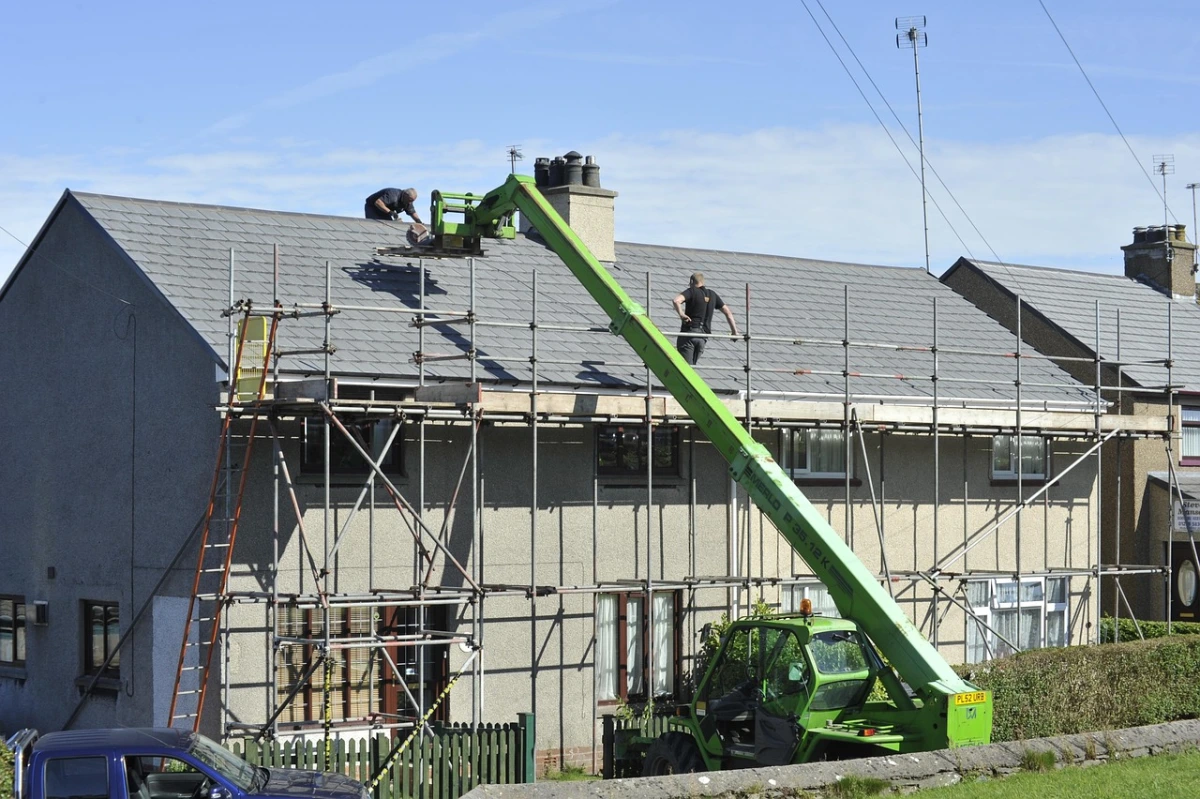
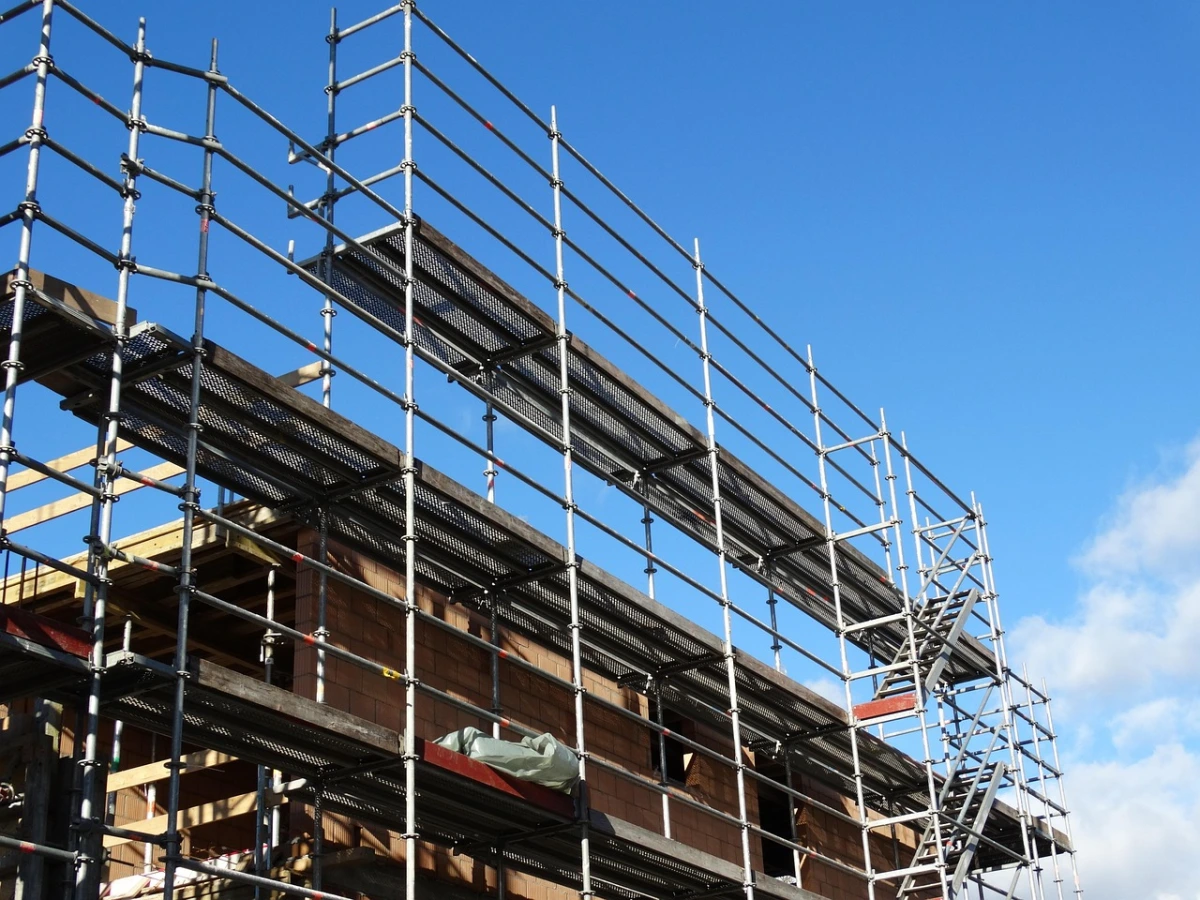
This is the scaffold most people picture: a safe way up and around a building so work can be done at height. It can include steel ladders and stairs, steel plank systems, aluminium plywood decks and stair towers. If you are having a roof repaired, windows replaced, a house rendered or painted, access scaffolding is usually the answer.
Perimeter scaffolding
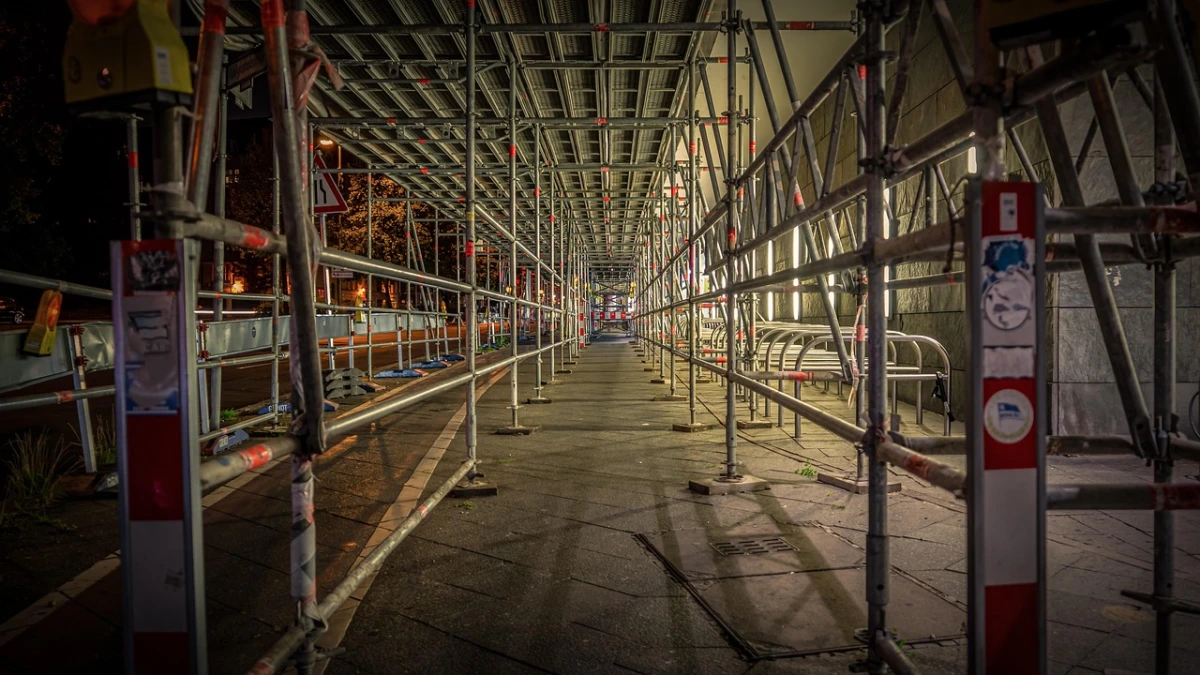
Perimeter scaffolding runs around the edges of a building so the people working there are supported and protected. It is designed around the shape and size of the building, so a terrace, an L-shaped extension and a block of flats each get a different layout.
Birdcage scaffolding
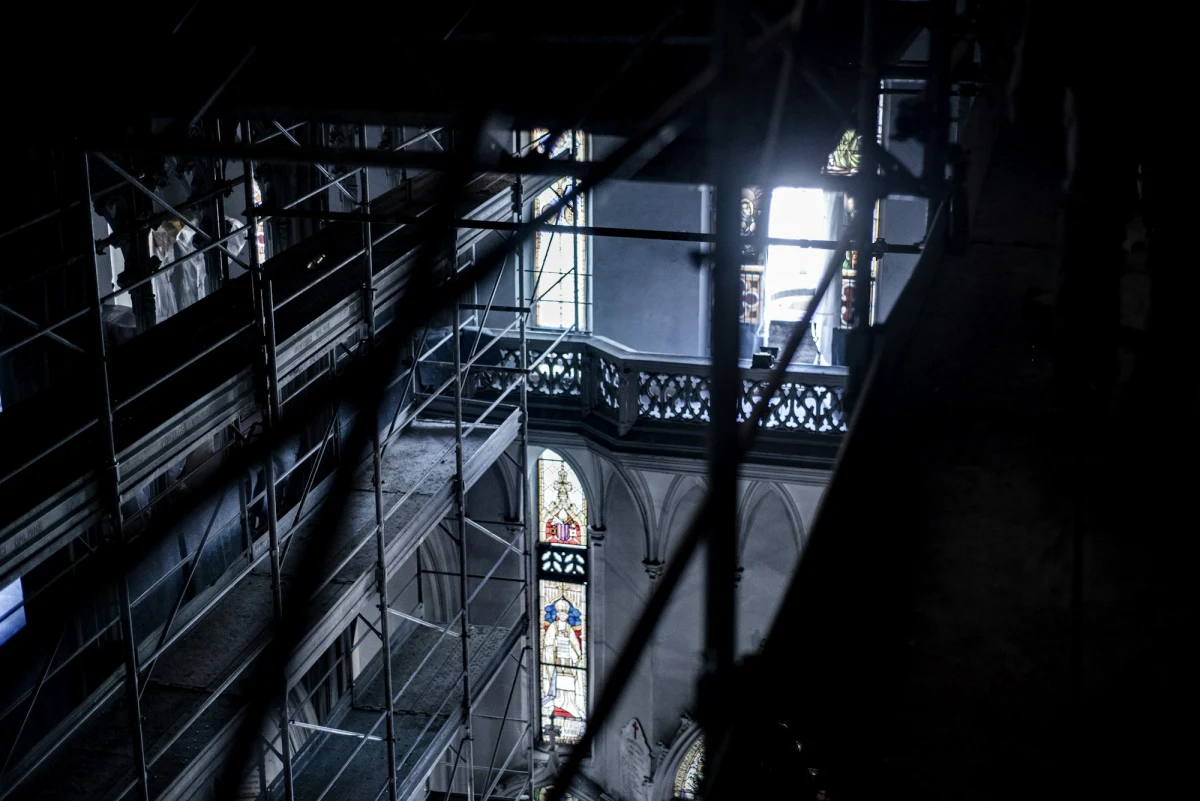
A birdcage, or independent, scaffold stands on its own rather than leaning on a wall. It is a grid of standards and boards that gives a big, level working area at a set height. It is the usual choice for work on high ceilings and inside large spaces, where there is no outside wall to work along.
Shoring scaffolding
Shoring is about holding a building up rather than giving people a way onto it. When a wall is being taken out, a neighbour's building is coming down or a structure has moved, shoring gives it the support it needs while the work is done. There are three main kinds:
- Raking shores lean against a wall at an angle to stop it moving outwards.
- Flying shores span the gap between two buildings, so nothing has to stand in the space between them.
- Dead shores stand upright and carry the weight above an opening while a wall below is altered.
Shoring often has to fit around an engineer's design, so tell us if you already have drawings.
Cantilever scaffolding
Sometimes you cannot build a scaffold up from the ground: there is a shop doorway, a basement light well, a conservatory or a narrow passage in the way. A cantilever, or needle, scaffold is supported from the building itself, so it can start part of the way up. It is how we reach balconies and roofs on awkward sites.
Chimney scaffolding
Repointing, rebuilding a stack, fitting a cowl or relining a flue all mean working at the very top of the house. A chimney scaffold gives a proper platform right around the stack, rather than balancing on a ladder on the roof.
How to tell which one you need
Three questions get us most of the way:
- What is the work, and how high is it? A gutter, a chimney and a whole elevation are three very different scaffolds.
- What is in the way? Pavements, conservatories, extensions, neighbours' gardens and parked cars all change the design.
- How long will it be up? A scaffold for a two-week roof repair is planned differently from one that stays for months.
You do not need to know the answer yourself. Send us a few photos of the building and a line about the job, and we will tell you what we would put up. You can see all the types we offer on our services page.
Not sure which scaffold your job needs?
Send us the job and a few photos. We will tell you what we would put up and give you a quote.
Ask for a quote